
Automated Reef Tank Testing for Coral Care
Discover how automated reef tank testing systems enhance coral care by stabilizing water chemistry, monitoring essential parameters, and simplifying aquarium maintenance for a healthier marine environment.
AQUATIC
Pet Ecosystem Team
5/22/20263 min read
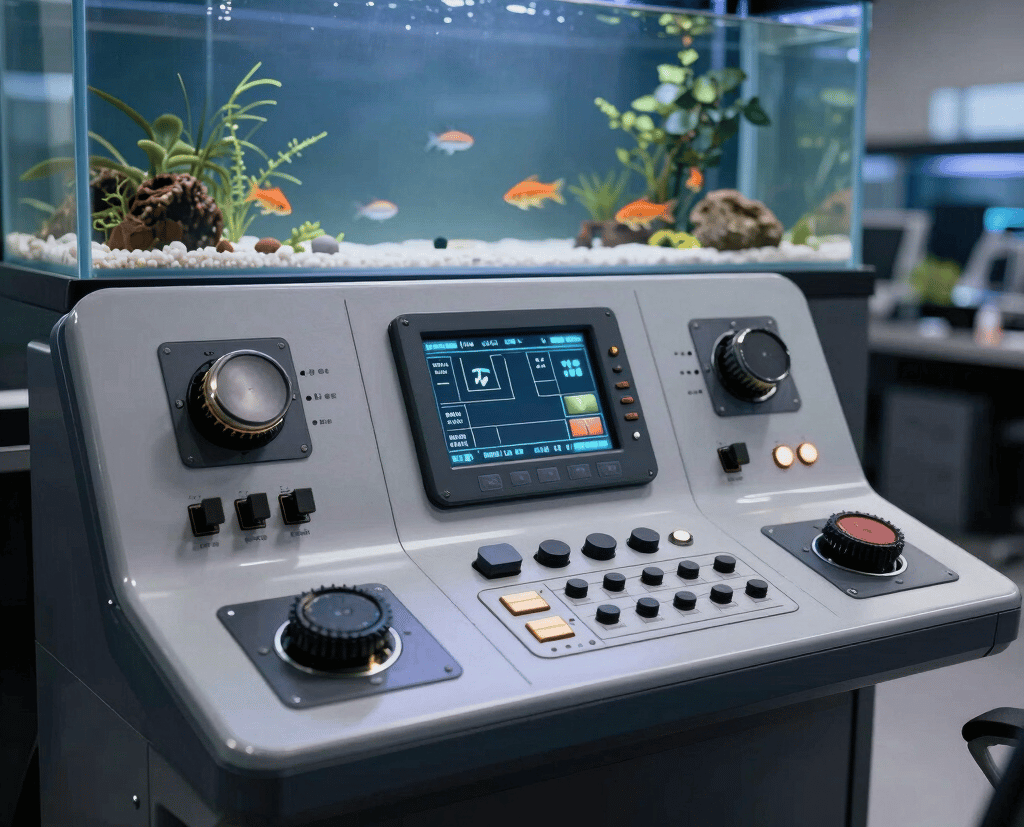
The Cost of Coral Care: Why Automated Reef Tank Water Testing Systems Are Worth It
Keeping a reef aquarium healthy isn’t just about feeding fish or maintaining clean water. Successful reef keeping is really about controlling highly sensitive water chemistry with extreme precision.
Corals are living organisms that depend on stable chemical conditions to survive. Even small swings in reef tank parameters can stress, bleach, or kill expensive coral colonies surprisingly fast.
For advanced reef hobbyists managing high-end marine aquariums, manual water testing is quickly being replaced by automated aquarium water testing systems — smart devices designed to monitor reef chemistry continuously and reduce dangerous human error.
In 2026, automated reef testing labs are becoming one of the most valuable investments serious reef keepers can make.
Why Reef Tank Water Chemistry Matters So Much
Unlike freshwater aquariums, reef tanks require extremely stable parameters to support coral growth.
Corals depend on stable levels of:
alkalinity
calcium
magnesium
salinity
pH
nutrients
Even a short-term imbalance can trigger:
coral bleaching
tissue loss
algae outbreaks
coral death
For sensitive SPS corals especially, stability is everything.
The Biggest Problem With Manual Reef Testing
Traditional reef testing usually involves:
liquid reagent kits
color comparison charts
manual water sampling
While these kits can work, they introduce major problems.
Human Error in Reef Testing
One of the biggest weaknesses of manual test kits is subjectivity.
Common Problems With Manual Testing
Misreading Color Charts
Subtle color differences are difficult to judge accurately.
Inconsistent Testing
Many hobbyists skip tests because the process is time-consuming.
Delayed Problem Detection
Weekly testing may miss dangerous daily parameter swings.
Incorrect Dosing Decisions
Bad readings can lead to overcorrecting water chemistry.
For expensive reef systems, these mistakes can become extremely costly.
Why Alkalinity Stability Is Critical
One of the most unstable reef parameters is:
Alkalinity
Corals consume alkalinity constantly as they build skeleton structures.
Levels can fluctuate significantly within a single day.
Manual testing once per week often misses these dangerous trends completely.
What Is an Automated Aquarium Water Testing System?
Automated reef testing systems use advanced sensors and robotic testing mechanisms to monitor aquarium chemistry automatically.
These smart reef labs can test:
alkalinity
calcium
magnesium
nitrate
phosphate
pH
salinity
without requiring constant manual testing.
Popular systems include:
ReefBot Lab
MindStream Aquarium Monitor
How Smart Reef Testing Labs Work
Modern reef testing systems combine:
automated micro-syringes
optical sensors
digital scanners
cloud-based monitoring
The system automatically collects small water samples and analyzes them using precise chemical testing methods.
Digital Optical Scanning Technology
Instead of relying on human eyesight, smart reef labs use optical scanners to measure:
exact color wavelengths
reagent reactions
parts-per-million chemical changes
This creates far more accurate readings than visual test kits.
Benefits of Automated Reef Testing
Continuous Monitoring
Tracks parameter trends throughout the day.
Early Problem Detection
Detects chemistry swings before corals become stressed.
Reduced Human Error
Eliminates subjective color interpretation.
Better Coral Stability
Maintains more consistent reef conditions.
Easier Long-Term Maintenance
Reduces repetitive testing routines.
For coral-heavy reef tanks, these advantages can dramatically improve long-term success.
Smart Dosing Automation
The real power of reef automation comes from ecosystem integration.
Many smart testing labs can communicate directly with:
dosing pumps
aquarium controllers
smart monitoring systems
Automated Correction Systems
If the system detects:
low calcium
falling alkalinity
unstable magnesium
it can automatically trigger connected dosing pumps to restore balance safely.
This creates a partially self-correcting reef ecosystem.
Vacation Protection and Emergency Alerts
One of the biggest benefits of smart reef monitoring is remote protection.
If something goes wrong while you’re away, the system can send:
smartphone alerts
push notifications
emergency warnings
Potential problems include:
salinity swings
pH crashes
equipment failure
dosing issues
heater malfunctions
Early warnings can prevent catastrophic livestock losses.
Why Reef Automation Is Expanding Rapidly
Modern reef aquariums are increasingly moving toward:
AI monitoring
cloud-connected ecosystems
automated chemistry management
smart dosing systems
As coral collections become more valuable, hobbyists want:
more stability
fewer risks
real-time monitoring
predictive maintenance
Automation helps deliver all of these advantages.
Are Automated Reef Labs Worth the Cost?
For simple fish-only saltwater tanks, probably not.
But for advanced reef systems containing:
SPS corals
rare coral frags
high-end marine livestock
thousands of dollars in coral colonies
automated testing systems can quickly pay for themselves.
The cost of losing a single rare coral colony often exceeds the cost of the monitoring equipment itself.
Common Mistakes Reef Keepers Make
Testing Too Infrequently
Water chemistry can change faster than many hobbyists realize.
Overcorrecting Parameters
Large corrections often stress corals more than slightly imperfect numbers.
Ignoring Long-Term Trends
Stable trends matter more than single test results.
Relying Only on Visual Coral Health
By the time corals visibly decline, serious chemistry problems may already exist.
Smart testing systems help identify these issues much earlier.
Frequently Asked Questions
What does an automated reef testing system do?
It automatically monitors reef tank water chemistry and provides real-time parameter tracking.
Are automated aquarium labs accurate?
High-end reef monitoring systems are often more accurate than manual visual test kits.
Why is alkalinity important in reef tanks?
Corals consume alkalinity constantly while building skeletal structures.
Can smart reef systems automate dosing?
Yes. Many advanced systems integrate directly with dosing pumps for automatic corrections.
Are automated reef testing systems worth it?
For high-end coral reef aquariums, automated monitoring greatly improves stability and reduces risk.
Final Thoughts
Modern reef aquariums are becoming increasingly advanced, and water chemistry stability remains one of the biggest factors in long-term coral success. Automated aquarium water testing systems provide reef keepers with:
continuous monitoring
early warning protection
improved dosing accuracy
reduced human error
better coral health management
For serious marine hobbyists investing heavily in sensitive corals and reef ecosystems, automated testing labs are no longer just luxury gadgets — they are becoming one of the smartest forms of insurance available for protecting valuable reef livestock.
Want to see how this technology performs in the real world? Read our comprehensive, hands-on Automated Aquarium Water Testing Lab review here.
Affiliate Disclosure:
Pet Ecosystems participates in affiliate marketing programs, which means we may earn commissions from qualifying purchases made through links on this website at no additional cost to you.
Our recommendations are based on independent research, product reviews, and editorial opinions intended to help pet owners discover quality products and smart solutions for their pets.
© 2026 Pet Ecosystems. All rights reserved.
Contacts
info@petecosystems.com