
Smart Aquarium Systems: Complete Guide to Automation
Discover the ultimate guide to smart aquarium systems and automated fishkeeping. Learn how aquarium automation can enhance your fishkeeping experience in 2026.
Pet Ecosystems Team
5/16/20265 min read
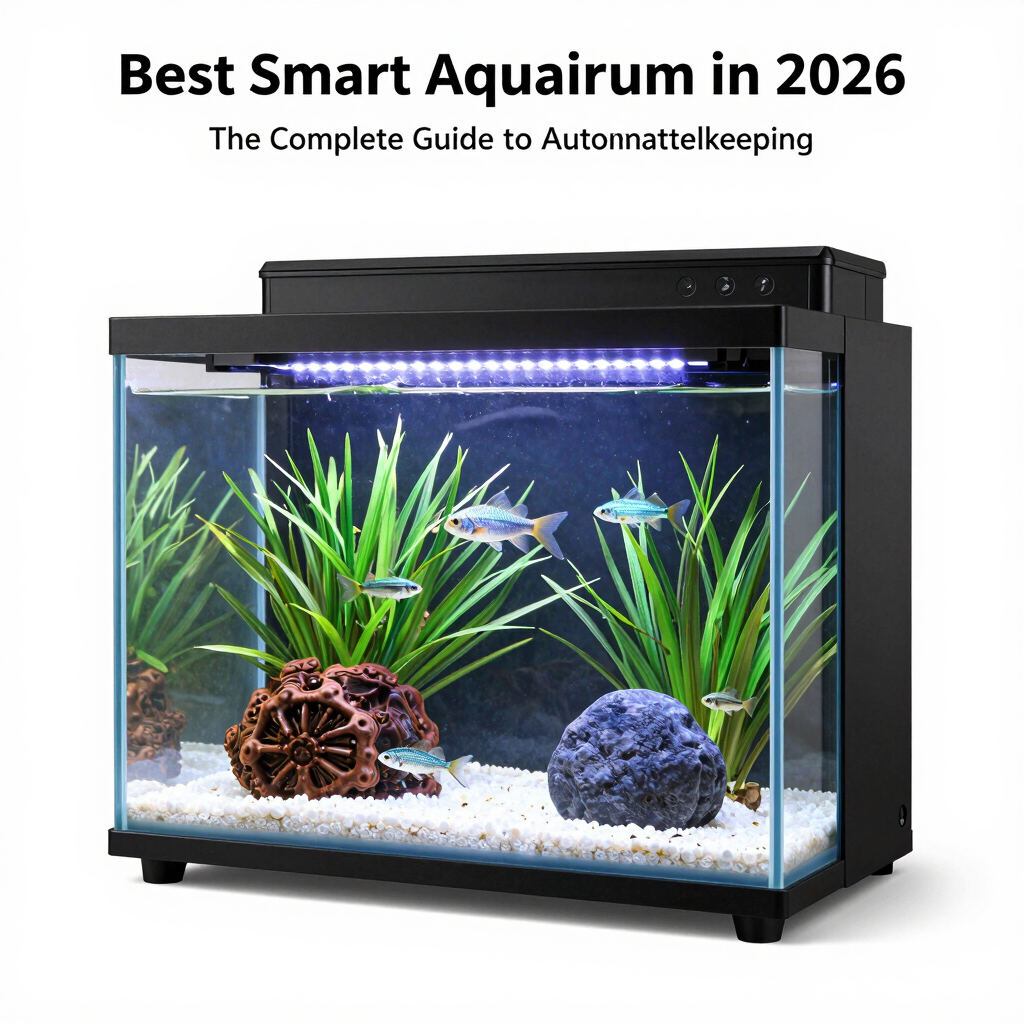
Smart Aquarium Systems: The Complete Guide to Automated Fishkeeping (2026)
Introduction
Maintaining a thriving aquarium used to mean daily manual testing, timed feedings, and constant vigilance over water chemistry. Smart aquarium systems change all of that. By combining IoT sensors, automated feeders, and mobile app control, these systems handle the routine work automatically, so you spend less time maintaining your tank and more time actually enjoying it.
Whether you're a first-time fishkeeper or a seasoned reef enthusiast, this guide covers everything you need to know: how smart aquarium technology works, the key features to look for, the top systems available in 2026, and how to choose the right one for your setup.
What Is a Smart Aquarium System?
A smart aquarium system is a connected setup that automates the core tasks of fishkeeping, monitoring water parameters, controlling lighting and temperature, dispensing food, and alerting you when something needs attention. Instead of relying on manual checks and guesswork, smart systems use real-time sensor data and app-based controls to keep your aquatic environment stable around the clock.
Core components of a smart aquarium:
Water quality sensors, continuously monitor pH, temperature, ammonia, nitrite, and nitrate levels
Automated feeders, dispense precise food portions on a schedule you set
Smart lighting controllers, simulate natural day/night cycles to support fish health and plant growth
Mobile apps, give you remote access to real-time data, alerts, and system controls
Filtration integration, some systems connect directly to smart filters for automated water management
Why Smart Aquarium Technology Is Growing Fast
Two forces are driving adoption: IoT advancement and community-driven demand.
On the technology side, the same connectivity powering smart homes is now powering smart fish tanks. Affordable sensors, reliable Wi-Fi modules, and mature mobile platforms have made it possible to build genuinely useful aquarium automation at accessible price points.
On the community side, aquarium enthusiasts are more connected than ever, sharing setups, troubleshooting problems, and recommending gear across Reddit, YouTube, and dedicated forums. That knowledge-sharing culture accelerates demand for smarter tools, because hobbyists quickly learn what's possible and want it for themselves.
Key Benefits of Smart Aquarium Systems
1. Consistent Water Quality
Fluctuating pH or temperature is one of the leading causes of fish stress and disease. Smart sensors catch these changes instantly and alert you before they become a crisis, something manual testing simply can't match in real time.
2. Automated Feeding
Overfeeding is a common beginner mistake that degrades water quality fast. Automated feeders dispense precise portions on a schedule, eliminating guesswork and protecting water chemistry.
3. Remote Monitoring and Control
Going on vacation doesn't have to mean worrying about your tank. Smart aquarium apps let you check water parameters, adjust settings, and receive push notifications from anywhere with a signal.
4. Time Savings
Daily maintenance tasks, testing water, adjusting lights, feeding fish, add up fast. Automation handles the routine, freeing you to focus on the enjoyable parts of the hobby.
5. Better Fish Health Outcomes
Stable environments mean less stressed fish, fewer disease outbreaks, and longer lifespans. The data-driven approach of smart systems takes the inconsistency out of fishkeeping.
Essential Features to Look for in a Smart Aquarium System
Not all smart aquarium systems are built equally. Here's what to prioritize:
Multi-Parameter Monitoring
Look for systems that track at least temperature, pH, and ammonia simultaneously. Single-parameter monitors are a step up from nothing, but comprehensive sensors give you the full picture.
App Quality and Reliability
The app is your primary interface, it needs to be stable, intuitive, and genuinely useful. Check recent user reviews in the App Store or Google Play before committing. A poorly designed app ruins an otherwise good system.
Third-Party Device Compatibility
If you already own a heater, filter, or lighting rig you love, make sure the smart controller you choose can integrate with it. Closed ecosystems that only work with proprietary hardware limit your flexibility.
Automation Depth
Entry-level systems handle feeding and lighting. Advanced systems automate water top-offs, filtration cycles, and dosing for reef tanks. Match the automation level to your actual needs, don't overpay for features you won't use.
Alert System
Push notifications for out-of-range parameters are non-negotiable. Some systems also support email alerts and emergency shutoffs, valuable if you manage sensitive species.
Top Smart Aquarium Systems of 2026
Fluval Smart Aquarium System
Best for: Beginners and intermediate hobbyists
The Fluval Smart system pairs an intuitive mobile app with solid filtration and customizable LED lighting. Setup is straightforward, monitoring covers the essential parameters, and the clean design suits home and office environments alike. It's the easiest on-ramp into smart aquarium technology without sacrificing real capability.
Neptune Systems Apex Controller
Best for: Advanced aquarists and reef tank enthusiasts
The Apex is the benchmark for serious aquarium automation. It supports extensive sensor arrays, automates complex water chemistry tasks, integrates with a wide range of third-party equipment, and offers granular remote control via its dedicated app. If you're running a reef tank or a multi-tank system, the Apex justifies its premium price tag.
Aqualights WiFi Smart Aquarium System
Best for: Budget-conscious beginners
For aquarists who want smart functionality without the investment, Aqualights delivers the essentials, automated feeding, adjustable lighting, and basic monitoring, at an accessible price. The app is straightforward, the setup is quick, and it's a solid entry point for anyone new to aquarium automation.
How to Choose the Right Smart Aquarium System
Use these four criteria to narrow your decision:
1. Tank size, Larger tanks need more powerful filtration and more comprehensive sensor coverage. Confirm the system's rated capacity matches your setup.
2. Fish species, Hardy freshwater fish are forgiving of minor fluctuations. Saltwater and reef species demand tighter parameter control, which pushes you toward more advanced systems like the Apex.
3. Budget, Entry-level smart systems start around $100–150. Mid-range runs $300–600. Professional-grade setups (Neptune Apex ecosystem) can exceed $1,000 depending on configuration.
4. Desired automation level, Beginners benefit from full automation. Experienced hobbyists often prefer systems that allow manual override so they retain control over fine adjustments.
Smart Aquarium Setup: Tips and Mistakes to Avoid
Do these:
Place your tank away from direct sunlight to prevent algae blooms and temperature swings
Allow the tank to fully cycle before adding fish, smart monitoring helps here but doesn't replace the nitrogen cycle
Schedule regular physical checks of sensors and filters even with full automation
Avoid these:
Assuming automation means no maintenance, sensors need cleaning, filters need replacing
Skipping compatibility checks between your smart controller and existing equipment
Rushing the setup; configure your automation settings gradually and observe how the system behaves before stepping back
Are Smart Aquarium Systems Worth It?
For most aquarists, yes, with one caveat: match the system to your actual commitment level.
If you're keeping a basic community freshwater tank, an entry-level smart system pays for itself in peace of mind and time saved within the first few months. If you're managing a reef tank or multiple aquariums, advanced automation isn't a luxury, it's near-essential for maintaining the stability those ecosystems demand.
The honest trade-off: smart systems reduce daily effort but don't eliminate the need for fishkeeping knowledge. Automation handles routine stability; you still need to understand what the data means and how to respond when something goes wrong.
Final Thoughts: Is Smart Aquarium Technology the Future of Fishkeeping?
Smart aquarium systems are no longer a niche product for tech enthusiasts, they're becoming the standard for anyone serious about the hobby. As IoT hardware gets cheaper and app ecosystems mature, the gap between "smart" and "traditional" aquarium setups will only widen.
If you're setting up a new tank in 2026, building smart from the start is the practical choice. And if you're maintaining an existing setup, even incremental upgrades, a smart controller here, an automated feeder there, will meaningfully improve your experience and your fish's quality of life.
The question isn't really whether smart aquarium technology is worth it. It's which system fits your tank, your fish, and your lifestyle best.
Affiliate Disclosure:
Pet Ecosystems participates in affiliate marketing programs, which means we may earn commissions from qualifying purchases made through links on this website at no additional cost to you.
Our recommendations are based on independent research, product reviews, and editorial opinions intended to help pet owners discover quality products and smart solutions for their pets.
© 2026 Pet Ecosystems. All rights reserved.
Contacts
info@petecosystems.com