
Pet Fitness Tracking: Monitor Your Small Pets' Health
Discover why monitoring your chinchilla, hedgehog, ferret, guinea pigs, and hamsters' nightly activity is crucial for their health. Learn how pet fitness tracking can potentially save their lives.
SMALL ANIMAL
Pet Ecosystem Team
5/21/20264 min read
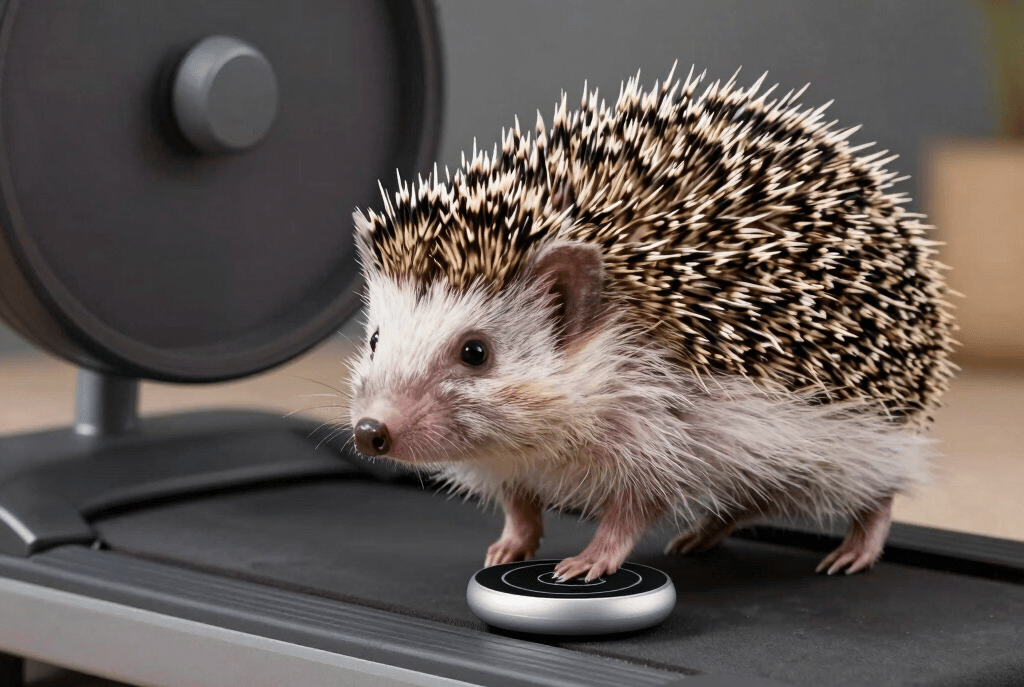
Smart Pet Fitness Tracking: Why Monitoring Your Chinchilla or Hedgehog’s Nightly Activity Could Save Their Life
Small exotic pets may look tiny and harmless, but animals like chinchillas, hedgehogs, sugar gliders, and ferrets are incredibly active creatures. In the wild, these nocturnal mammals travel long distances every night searching for food, exploring territory, and staying mentally stimulated.
That’s why an exercise wheel is far more than just a cage accessory — it’s a critical part of your pet’s physical and mental health.
In 2026, many exotic pet owners are upgrading to smart pet fitness wheels with digital telemetry tracking to monitor their animal’s nightly exercise habits in real time.
These advanced smart exercise wheels don’t just track activity — they can actually help detect early signs of illness before your pet becomes visibly sick.
For small exotic mammals that instinctively hide weakness, smart fitness tracking can literally become a lifesaving tool.
Why Small Pets Hide Illness
One of the biggest dangers of owning prey animals is that they naturally hide symptoms of sickness.
In the wild, weak animals become easy targets for predators. Because of this survival instinct, pets like:
chinchillas
hedgehogs
ferrets
sugar gliders
often appear completely normal even when serious health problems are developing.
They may still:
eat normally
greet their owners
move around the cage
behave calmly
while quietly dealing with:
respiratory infections
heart problems
digestive issues
internal injuries
stress-related illness
By the time symptoms become obvious, the condition may already be severe.
The First Sign of Illness: Reduced Nightly Exercise
For active nocturnal pets, one of the earliest warning signs of illness is a sudden drop in exercise activity.
Healthy small mammals naturally run for hours every night.
A chinchilla or hedgehog that normally runs several miles may suddenly:
stop using the wheel
run shorter distances
move more slowly
become less active overnight
The problem is that most of this activity happens while owners are asleep.
Without monitoring technology, these changes often go unnoticed until the pet becomes visibly lethargic or seriously ill.
What Is Smart Pet Fitness Telemetry?
Smart fitness telemetry uses digital sensors and WiFi technology to track your pet’s activity automatically.
Modern smart exercise wheels for chinchillas and hedgehogs can monitor:
nightly mileage
running speed
exercise duration
activity patterns
behavioral changes
This gives owners a real-time health overview of their pet’s daily activity levels.
How Smart Exercise Wheels Work
Premium smart pet wheels use:
magnetic rotation sensors
digital telemetry chips
WiFi connectivity
smartphone apps
Every time the wheel rotates, sensors record movement data.
The system then calculates:
total distance traveled
speed
active hours
nightly trends
The information uploads automatically to a mobile app where owners can monitor long-term health patterns.
Why Activity Tracking Can Save Your Pet’s Life
The biggest benefit of smart pet fitness tracking is early illness detection.
Example Scenario
If your hedgehog usually runs:
5–6 miles per night
but suddenly drops to:
1 mile
very short sessions
no wheel activity
the system immediately flags the change.
This early warning allows owners to:
schedule a vet visit faster
monitor symptoms sooner
catch illness before it becomes critical
For exotic pets that hide symptoms naturally, this time advantage can be lifesaving.
Smart Pet Health Monitoring Is Growing Fast
The exotic pet industry is rapidly adopting:
smart monitoring technology
pet telemetry systems
app-connected habitats
automated wellness tracking
Owners increasingly want:
real-time health insights
remote monitoring
preventative care tools
data-driven pet wellness
This trend mirrors the growth of smart technology in:
dog fitness trackers
cat health monitors
aquarium automation systems
Quiet Wheels Matter More Than Most Owners Realize
Traditional plastic pet wheels are often:
loud
unstable
poorly balanced
Noisy wheels can disrupt:
sleep
stress levels
overall comfort inside the home
Acoustic Engineering in Premium Smart Wheels
High-end smart exercise wheels are designed using:
industrial-grade ball bearings
precision-balanced hubs
low-friction engineering
This creates:
near-silent operation
smoother wheel movement
safer running surfaces
For nocturnal pets that run all night, quiet operation becomes extremely important for both the animal and the owner.
Why Cheap Plastic Wheels Can Be Dangerous
Many low-cost plastic exercise wheels create hidden safety risks.
Common Problems With Cheap Wheels
Plastic Chewing Hazards
Small mammals frequently chew plastic surfaces.
Sharp Edges
Cracked wheels can injure tiny feet and tails.
Poor Running Surfaces
Unsafe gaps may trap nails or toes.
Intestinal Blockages
Swallowed plastic fragments can become fatal.
Why Premium Smart Wheels Are Safer
High-end smart wheels are often made from:
aircraft-grade aluminum
reinforced metal frames
smooth solid running tracks
These materials are:
chew-resistant
safer for feet
longer lasting
easier to clean
For dedicated exotic pet owners, safety and durability justify the higher investment.
Which Pets Benefit Most From Smart Exercise Wheels?
Smart telemetry wheels work best for:
chinchillas
hedgehogs
sugar gliders
ferrets
hamsters
gerbils
active nocturnal rodents
These animals naturally rely heavily on exercise for:
cardiovascular health
mental stimulation
stress reduction
healthy weight management
Are Smart Pet Wheels Worth It?
For casual pet owners, a basic wheel may be enough.
But for owners serious about:
preventative health care
early illness detection
long-term exotic pet wellness
advanced husbandry
smart fitness tracking systems provide valuable peace of mind.
The ability to monitor your pet’s activity patterns every single night can help catch health issues long before visible symptoms appear.
Frequently Asked Questions
What is a smart pet exercise wheel?
A smart exercise wheel tracks your small pet’s activity using sensors, telemetry technology, and smartphone apps.
Can smart pet wheels detect illness?
They can help identify sudden changes in activity levels, which are often early warning signs of illness in small mammals.
Are smart chinchilla wheels worth it?
For active exotic pets, smart wheels provide valuable exercise monitoring and safer wheel construction.
Why do hedgehogs stop running on their wheel?
Reduced wheel activity may indicate:
illness
stress
pain
environmental issues
obesity
Are metal exercise wheels safer than plastic wheels?
High-quality metal wheels are often safer, quieter, and more durable than cheap plastic alternatives.
Final Thoughts
Small exotic pets are masters at hiding illness, which makes early health monitoring incredibly important. Smart exercise wheels with fitness telemetry give owners a new way to detect subtle behavioral changes before serious medical problems develop.
By tracking nightly activity, mileage, and running patterns, these systems help provide:
earlier illness detection
better preventative care
safer exercise environments
improved long-term health monitoring
For dedicated chinchilla, hedgehog, and exotic pet owners, smart fitness tracking is quickly becoming one of the most valuable tools in modern small animal care.
Want to see how this technology performs in the real world? Read our comprehensive, hands-on Smart Small Animal Wheel Review.
Affiliate Disclosure:
Pet Ecosystems participates in affiliate marketing programs, which means we may earn commissions from qualifying purchases made through links on this website at no additional cost to you.
Our recommendations are based on independent research, product reviews, and editorial opinions intended to help pet owners discover quality products and smart solutions for their pets.
© 2026 Pet Ecosystems. All rights reserved.
Contacts
info@petecosystems.com