
Pet GPS Trackers: LTE-M vs Bluetooth Collars
Discover how pet GPS trackers work and compare LTE-M dog collars with Bluetooth pet trackers. Explore coverage, battery life, and real-time tracking features to choose the best option for your furry friend.
DOG
Pet Ecosystem Team
5/17/20264 min read
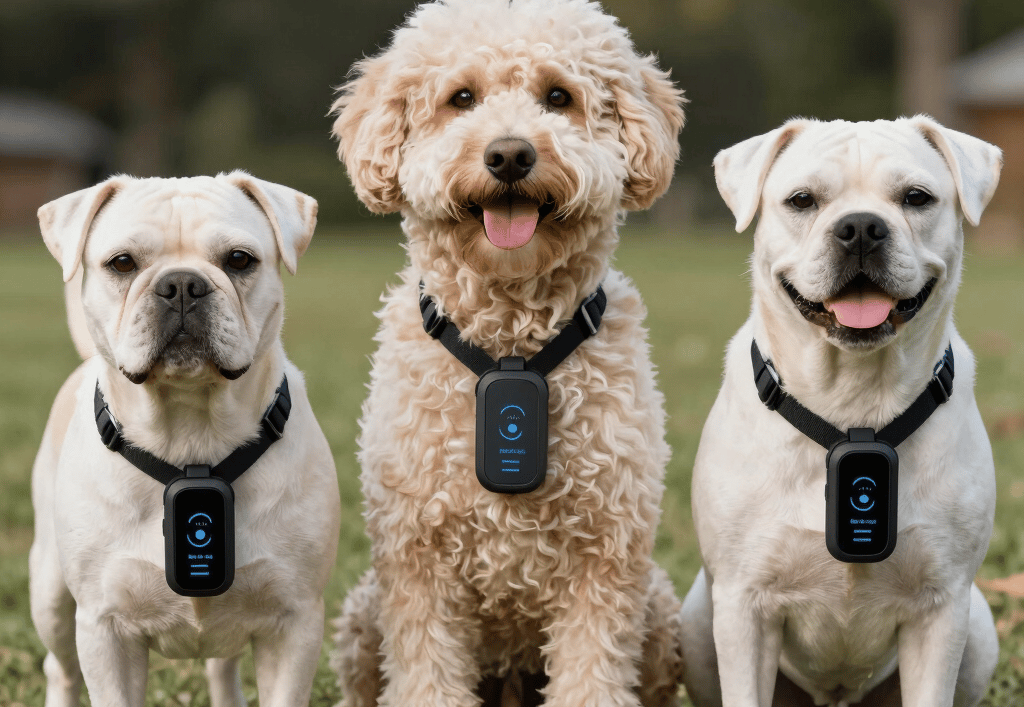
The Ultimate Fi Series 3 Smart Collar Review: Is It Worth $150+?
LTE-M vs Bluetooth Pet Trackers: Which One Is Better for Your Pet?
Losing a pet is one of the biggest fears for any pet owner. That’s why pet tracking technology has become one of the fastest-growing parts of the smart pet industry.
Years ago, microchips were the standard solution for identifying lost pets. While microchips still help shelters identify animals, they can’t provide real-time tracking or show your pet’s live location.
Today, modern pet owners are turning to:
GPS pet trackers
Bluetooth pet trackers
LTE-M smart collars
These advanced tracking systems allow owners to monitor their pets in real time directly from their smartphones.
But which technology is actually better — Bluetooth or LTE-M GPS tracking?
The Evolution of Pet Tracking Technology
Traditional pet microchips only work after a lost pet is found and scanned by a veterinarian or shelter.
Modern smart pet trackers work very differently.
Today’s systems can provide:
real-time location tracking
escape alerts
activity monitoring
virtual fences
smartphone notifications
This technology gives owners much faster response times when pets wander off.
How Bluetooth Pet Trackers Work
Bluetooth pet trackers are one of the most affordable tracking options available.
Popular examples include:
Apple AirTags
Tile trackers
Bluetooth smart tags
These devices connect to nearby smartphones using Bluetooth signals.
Benefits of Bluetooth Pet Trackers
Lower Cost
Usually cheaper than GPS tracking collars.
Simple Setup
Easy to pair with smartphones.
Lightweight Design
Small and comfortable for pets.
Good for Indoor Use
Helpful for finding pets inside homes or nearby areas.
Bluetooth trackers work best in close-range environments.
The Biggest Problem With Bluetooth Trackers
The main downside of Bluetooth trackers is range.
Most Bluetooth devices only work within:
30 feet
100 feet
sometimes slightly farther
Once a pet moves outside that range, live tracking stops working.
Why Bluetooth Fails for Outdoor Pet Tracking
Limited Distance
Pets can quickly move out of signal range.
Relies on Nearby Smartphones
Tracking depends on nearby devices detecting the signal.
Weak Rural Coverage
Open land and rural areas often have fewer connected devices nearby.
Delayed Location Updates
Real-time tracking is limited.
For adventurous dogs or outdoor cats, Bluetooth alone may not provide enough security.
What Is LTE-M GPS Pet Tracking?
LTE-M stands for Long-Term Evolution for Machines, a cellular tracking technology designed for smart devices like GPS pet collars.
Unlike Bluetooth trackers, LTE-M devices connect directly to cellular networks.
This allows pets to be tracked across much larger distances.
Benefits of LTE-M GPS Trackers
Real-Time GPS Tracking
Monitor your pet’s location live.
Long-Range Coverage
Works far beyond Bluetooth range.
Better Rural Performance
More effective in open or low-traffic areas.
Escape Alerts
Receive notifications if your pet leaves a safe zone.
Geo-Fencing Features
Create virtual boundaries directly from your phone.
LTE-M technology offers much more freedom and reliability for outdoor pets.
LTE-M vs Bluetooth: Side-by-Side Comparison
Bluetooth Pet Trackers
Pros
cheaper upfront cost
easy to use
lightweight
good for indoor pets
Cons
very limited range
weak rural performance
depends on nearby devices
unreliable for long-distance tracking
LTE-M GPS Trackers
Pros
real-time location updates
long-distance tracking
better for outdoor pets
stronger safety features
virtual fence alerts
Cons
more expensive
often requires subscription plans
battery drains faster than Bluetooth
Both technologies serve different purposes depending on the pet owner’s needs.
Why LTE-M Trackers Are Better for Active Pets
For dogs that:
hike
run
travel
explore outdoors
live on farms
spend time off-leash
LTE-M trackers are usually the safer option.
Real-time GPS tracking dramatically improves the chances of recovering lost pets quickly.
This is especially important in:
rural areas
wooded environments
parks
large properties
Bluetooth simply cannot maintain reliable tracking over these distances.
The Future of Smart Pet Tracking
Many newer pet tracking systems now combine multiple technologies together.
Some smart collars use:
LTE-M cellular tracking
Bluetooth connectivity
Wi-Fi positioning
GPS satellite tracking
This hybrid approach helps improve:
battery life
tracking accuracy
indoor positioning
real-time updates
The future of pet tracking is moving toward smarter, more reliable multi-network systems.
Features Modern Pet Owners Want Most
Today’s smart pet collars offer far more than simple tracking.
Popular Smart Collar Features
Live GPS Tracking
View your pet’s location instantly.
Geo-Fencing
Set safe zones and receive escape alerts.
Activity Monitoring
Track exercise and movement levels.
Health Tracking
Monitor sleep and activity patterns.
Location History
Review where your pet has traveled.
Smart collars are becoming complete pet safety and health devices.
Frequently Asked Questions
What is the difference between Bluetooth and LTE-M pet trackers?
Bluetooth trackers work at short range using nearby devices, while LTE-M trackers use cellular networks for long-distance real-time tracking.
Are Bluetooth pet trackers good for dogs?
Bluetooth trackers may work for indoor dogs or short-range use, but they are less reliable for outdoor adventures or rural areas.
What does LTE-M mean?
LTE-M stands for Long-Term Evolution for Machines, a low-power cellular network designed for smart devices and GPS trackers.
Do LTE-M pet trackers require subscriptions?
Most LTE-M GPS trackers require monthly cellular service plans for live tracking features.
Which pet tracker is best for rural areas?
LTE-M GPS trackers generally perform much better in rural and open environments than Bluetooth trackers.
Final Thoughts
Pet tracking technology has evolved far beyond traditional microchips and basic Bluetooth tags. Today’s LTE-M GPS pet trackers offer real-time tracking, virtual fencing, and advanced safety features that help owners monitor pets more effectively than ever before.
While Bluetooth trackers can work well for short-range indoor use, LTE-M systems provide much stronger protection for outdoor pets, active dogs, and large properties.
Choosing the right tracker depends on:
your pet’s lifestyle
your location
your budget
how much tracking reliability you need
For owners wanting maximum peace of mind and real-time location tracking, LTE-M GPS smart collars are quickly becoming the preferred choice.
Want to see how this technology performs in the real world? Read our comprehensive, hands on Fi series 3 smart collar review here
Affiliate Disclosure:
Pet Ecosystems participates in affiliate marketing programs, which means we may earn commissions from qualifying purchases made through links on this website at no additional cost to you.
Our recommendations are based on independent research, product reviews, and editorial opinions intended to help pet owners discover quality products and smart solutions for their pets.
© 2026 Pet Ecosystems. All rights reserved.
Contacts
info@petecosystems.com