
The Physics of Reef Flow & Smart Lighting for Healthy Coral
Learn how reef flow, wavemakers, and smart reef lighting impact coral growth, oxygen exchange, and aquatic ecosystem stability in modern reef aquariums.
AQUATIC
Pet Ecosystem Team
5/22/20263 min read
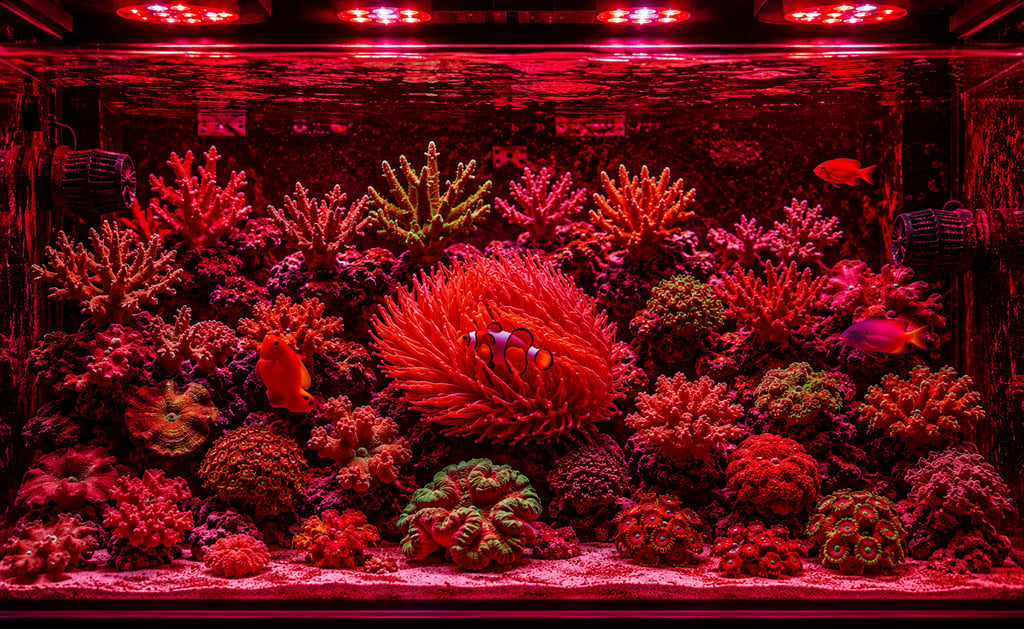
The Physics of Reef Flow and PAR: Why Smart Reef Lighting and Wavemakers Matter for Coral Survival
Building a reef aquarium is completely different from setting up a basic freshwater fish tank. Reef systems are living marine ecosystems filled with delicate corals that rely on highly stable environmental conditions to survive.
While beginner aquariums may function with simple filters and standard lighting, sensitive reef corals require advanced equipment capable of recreating the conditions of a real tropical ocean reef.
That’s why serious reef hobbyists invest in:
programmable reef LED lighting
smart wavemakers
WiFi aquarium automation
synchronized water flow systems
Understanding the science behind reef lighting, PAR, and water movement explains why modern smart reef technology has become essential for long-term coral health.
Why Reef Corals Need Specialized Lighting
Unlike fish, corals depend heavily on photosynthesis to survive.
Inside coral tissue lives microscopic algae called:
Zooxanthellae
These algae convert light energy into nutrients that feed the coral.
Without proper lighting, corals slowly:
lose color
weaken
bleach
eventually die
What Is PAR in Reef Aquariums?
PAR stands for:
Photosynthetically Active Radiation
PAR measures the usable light energy corals need for photosynthesis.
Not all aquarium lights produce the correct wavelengths needed for healthy coral growth.
Why Cheap Reef Lights Often Fail
Many low-cost aquarium lights appear bright to human eyes but fail to provide proper reef spectrum output.
Problems With Cheap Reef Lighting
Weak Blue Spectrum
Corals require strong blue and violet wavelengths.
Poor PAR Output
Insufficient light energy slows coral growth.
Static Lighting
Basic lights cannot simulate natural reef light cycles.
Coral Color Loss
Corals may turn brown or fade over time.
For sensitive SPS corals especially, poor lighting quickly becomes a major problem.
How Smart Reef LED Lighting Works
Modern smart reef lights use advanced programmable LED arrays capable of producing highly customizable light spectrums.
Popular high-end reef lighting systems include:
EcoTech Radion XR30 G6 Blue
AquaIllumination Prime 16HD
These systems allow hobbyists to control:
blue spectrum intensity
UV channels
color temperature
sunrise and sunset schedules
moonlight cycles
Benefits of Smart Reef Lighting
Improved Coral Growth
Higher PAR supports healthier photosynthesis.
Better Coral Coloration
Blue and UV spectrums enhance fluorescence.
Natural Lighting Cycles
Simulates real ocean conditions.
Safer Coral Acclimation
Prevents light shock and coral bleaching.
Smartphone App Control
Adjust settings remotely from anywhere.
Modern LED reef systems provide much more precision than traditional aquarium lights.
Why Water Flow Is Critical in Reef Tanks
Lighting is only half of the equation.
In the ocean, reef corals constantly experience:
waves
currents
shifting water movement
Corals rely on this movement for:
oxygen exchange
waste removal
nutrient delivery
Without proper flow, corals can literally suffocate.
The Problem With Basic Aquarium Powerheads
Cheap powerheads typically create:
one-direction water streams
stagnant zones
uneven circulation
These dead spots allow:
waste buildup
detritus accumulation
bacterial growth
tissue infections
Poor flow contributes to common coral diseases like:
Brown Jelly Disease
tissue necrosis
algae overgrowth
What Are Smart Reef Wavemakers?
Smart wavemakers are advanced circulation pumps that create randomized, natural water movement patterns inside the aquarium.
Popular systems include:
EcoTech Marine Vortech MP40
AI Nero 5
These pumps communicate wirelessly and coordinate flow patterns throughout the tank.
How Smart Wavemakers Improve Coral Health
Randomized Flow Patterns
Simulates real ocean currents.
Eliminates Dead Zones
Prevents waste buildup around corals.
Improves Oxygenation
Keeps reef water healthier.
Better Nutrient Delivery
Corals receive more suspended nutrients.
Wireless Synchronization
Multiple pumps work together automatically.
This chaotic push-and-pull movement is much closer to real reef conditions than static flow.
Advanced Reef Tank Automation Features
Modern reef ecosystems now include highly advanced software controls.
Acclimation Mode
When adding new corals, sudden intense lighting can cause:
coral bleaching
tissue damage
stress shock
Smart lighting systems now include:
Automatic Coral Acclimation Mode
The software:
reduces light intensity
gradually increases PAR levels
protects new corals during adaptation
This dramatically reduces coral stress.
Weather Simulation Technology
Some premium reef systems simulate:
cloud cover
lightning storms
wave surges
moon cycles
These environmental changes may help encourage:
natural fish behavior
coral spawning
more realistic ecosystems
Why Reef Automation Is Growing Fast
Modern reef tanks increasingly rely on:
smart controllers
app-based monitoring
cloud automation
AI ecosystem management
As reef systems become more advanced, hobbyists want:
greater stability
less manual maintenance
real-time monitoring
safer coral management
Automation helps achieve all of these goals.
Are Smart Reef Systems Worth the Money?
For basic fish-only tanks, advanced reef equipment may not be necessary.
But for coral-heavy reef systems filled with:
SPS corals
LPS corals
rare frags
expensive marine livestock
high-end automation quickly becomes worth the investment.
The cost of losing coral colonies due to:
poor lighting
unstable flow
parameter swings
can easily exceed the cost of premium equipment.
Frequently Asked Questions
What is PAR in reef aquariums?
PAR stands for Photosynthetically Active Radiation, the usable light energy corals need for photosynthesis.
Why do corals need blue light?
Blue and violet wavelengths penetrate water more effectively and support coral photosynthesis and coloration.
What do wavemakers do in reef tanks?
Wavemakers create water movement that helps remove waste, improve oxygenation, and deliver nutrients to corals.
Are smart reef lights worth it?
For coral reef aquariums, smart LED systems provide better coral growth, coloration, and environmental control.
Can poor water flow kill corals?
Yes. Inadequate flow can cause waste buildup, oxygen deprivation, and dangerous tissue infections.
Final Thoughts
Successful reef aquariums depend on recreating the natural conditions found in tropical ocean reefs. Proper PAR lighting and dynamic water movement are two of the most important factors for maintaining healthy coral ecosystems.
Modern smart reef technology now allows hobbyists to simulate:
natural sunlight cycles
randomized ocean currents
storm conditions
coral acclimation programs
For serious reef keepers investing in sensitive coral systems, high-end smart lighting and synchronized wavemakers are no longer luxury upgrades — they are essential tools for long-term reef stability and coral survival.
Want to see how this technology performs in the real world? Read our comprehensive, hands-on Smart WiFi Reef Lighting & Wavemaker review here.
Affiliate Disclosure:
Pet Ecosystems participates in affiliate marketing programs, which means we may earn commissions from qualifying purchases made through links on this website at no additional cost to you.
Our recommendations are based on independent research, product reviews, and editorial opinions intended to help pet owners discover quality products and smart solutions for their pets.
© 2026 Pet Ecosystems. All rights reserved.
Contacts
info@petecosystems.com