Ultimate Reef Aquarium Setup Guide for Beginners (2026 Edition)
Discover how to build a successful reef tank with our beginner-friendly setup tips. Learn about premium filtration systems, effective reef lighting, aquascaping ideas, and the latest in aquarium technology to create a thriving underwater reef aquarium setup ecosystem.
AQUATIC
Pet EcoSystems Team
5/15/20269 min read
Introduction
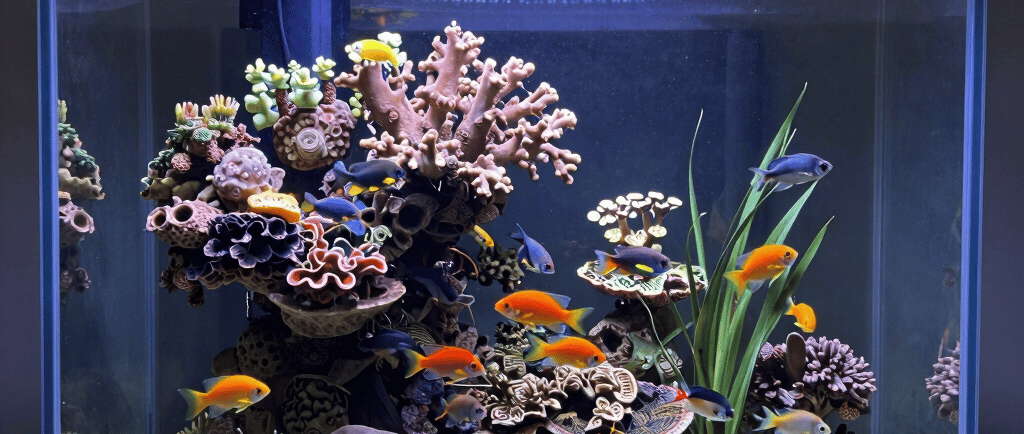
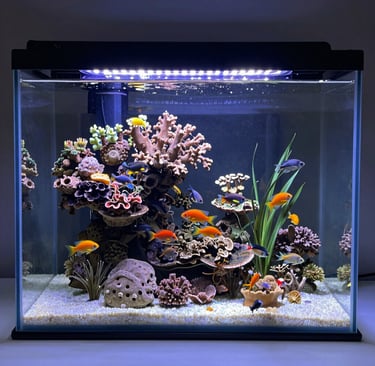
A reef tank represents a miniature representation of the mesmerizing underwater ecosystems found in the world's oceans. These vibrant aquatic environments, characterized by colorful corals, diverse fish species, and various invertebrates, have captivated the interest of aquarists and hobbyists alike. The allure of maintaining a reef tank stems from the beauty of the marine life it supports and the sense of accomplishment gained from nurturing a healthy, thriving ecosystem.
Reefing, as the practice is commonly referred to, allows enthusiasts to create a spectacular visual display that acts as a window into the ocean's depths. For beginners, this hobby is particularly appealing due to its blend of artistry, science, and the opportunity to observe and engage with a dynamic environment filled with life. The multifaceted nature of reef tanks requires aquarists to learn about marine biology, water chemistry, and the equipment necessary for maintaining optimum conditions, making it a rewarding educational experience.
In embarking on this journey, aspiring hobbyists can expect to encounter various challenges, from selecting the appropriate tank size and equipment to understanding the delicate balance of the marine ecosystem. This guide aims to provide comprehensive knowledge and practical steps for establishing a successful reef tank. Readers will learn about the essential components required for setup, the importance of water quality and filtration, and how to choose compatible species that thrive together.
Ultimately, the goal is to simulate a natural marine environment in which corals and fish can flourish. By combining aesthetics with responsibility, individuals will not only create stunning displays but also foster an appreciation for marine conservation. Throughout this guide, readers will be equipped with the knowledge to embark on their reefing adventure with confidence.
What is a Reef Tank Ecosystem?
A reef tank ecosystem is an artificial simulation of a natural coral reef environment, designed to house various marine organisms that thrive in the ocean's depths. The primary components of this ecosystem include corals, fish, and invertebrates, which interact in complex and fascinating ways. Corals are the foundation of the reef, providing habitat and shelter for an assortment of marine life. They are living organisms that rely on symbiotic relationships with zooxanthellae, photosynthetic algae that give corals their vibrant colors and contribute to their nourishment.
The diverse fish species in a reef tank play crucial roles in maintaining the ecological balance. Many fish feed on algae, helping to manage its growth, while others serve as scavengers or predators, keeping populations of invertebrates in check. Invertebrates, such as shrimp, crabs, and snails, contribute to the tank's health by participating in nutrient cycling and cleaning detritus. Each component of this ecosystem interacts with one another, illustrating the importance of biodiversity.
Moreover, maintaining water quality is vital for the success of a reef tank ecosystem. Regular monitoring of parameters such as temperature, salinity, and pH levels is essential since any significant deviations can stress or harm the marine organisms. Keeping the water parameters stable mimics the natural environments of these aquatic species, resulting in a thriving reef. Additionally, incorporating live rock and sand helps to establish beneficial bacteria that break down waste, further replicating the natural processes found in the ocean.
In summary, a reef tank ecosystem is a delicate balance of various marine organisms, supported by a stable environment that mimics their natural habitats. The success of this ecosystem heavily relies on the proper maintenance of water quality, temperature, and salinity, which are crucial for the health and wellbeing of all its inhabitants.
Choosing the Right Aquarium Tank
Selecting the appropriate aquarium tank is a fundamental step in setting up a successful reef aquarium. For beginners, the choice of tank size and shape can significantly impact the overall success of the marine environment. Most novice aquarists benefit from starting with a tank that ranges from 30 to 75 gallons; this size is manageable in terms of maintenance while providing enough space for corals and fish to thrive.
When considering the shape of the tank, rectangular designs are popular due to their efficient use of space and ease of aquascaping. However, tall tanks, although aesthetically appealing, can complicate lighting and access. It is crucial to evaluate how the dimensions of the aquarium will serve your aquascaping ambitions and the comfort of the species you wish to keep.
Another essential consideration is the material of the tank. Glass and acrylic are the two predominant materials, each with its advantages and disadvantages. Glass tanks are generally more scratch-resistant and offer better visibility due to their clarity. However, they can be heavier and more challenging to maneuver. Acrylic tanks, on the other hand, are lightweight and provide better insulation but are more prone to scratching and yellowing over time. Depending on your preferences and budget, both options have reputable products that cater to beginners.
For a favorable beginner experience, established brands like Marineland, Aqueon, and Red Sea offer tanks specifically designed for reef aquariums. Opting for an all-in-one aquarium kit can also ease initial setup by including necessary equipment such as filtration systems and lighting. These comprehensive packages provide a solid foundation for novices to build upon as they embark on their marine keeping journey.
Essential Reef Tank Equipment
Setting up a successful reef tank requires specific equipment that ensures a stable and healthy environment for marine life. Essential equipment includes filtration systems, lighting, pumps, and controllers, each serving a vital role in maintaining water quality and overall tank health.
Filtration
Filtration is crucial in any reef tank setup, as it helps maintain water clarity and quality by removing detritus and harmful substances. Mechanical filters physically trap debris, while biological filters facilitate the growth of beneficial bacteria that process harmful ammonia and nitrites into less toxic nitrates. Chemical filters, such as activated carbon, absorb impurities and enhance overall water quality. A combination of these filtration types will create a well-rounded system that supports the delicate balance needed for a thriving reef ecosystem.
Lighting
Proper lighting is fundamental for coral growth and enhances the aesthetic appeal of a reef tank. Different types of lighting options are available, including LED, metal halides, and fluorescent lights. LEDs are known for their energy efficiency and longevity, while metal halides provide a high-intensity light that penetrates deep into the water column, essential for light-demanding corals. When selecting lighting, consider the spectrum and intensity, as specific corals require various wavelengths for optimal photosynthesis and growth.
Pumps
Pumps are vital for ensuring adequate water movement and circulation within the tank. They help maintain water quality by facilitating filtration and supporting oxygenation. Additionally, pumps create water exchanges, simulating natural currents that benefit marine organisms. When selecting pumps, consider their flow rate and adjustability to cater to the particular needs of your reef inhabitants—this is especially important for sensitive coral species.
Controllers
Incorporating technology into your reef tank setup can help automate and monitor essential water parameters, such as temperature, pH, and salinity. Controllers allow for precise adjustments and automation of processes like automatic top-off systems, ensuring optimal conditions are maintained. This technology is invaluable for reducing stress on aquatic creatures, providing a more stable environment, and assisting beginners in managing their reef tanks effectively.
Aquascaping Your Reef Tank
Aquascaping is an essential aspect of establishing a healthy and visually appealing reef tank. This art involves arranging various materials, such as live rock, sand, and artificial decorations, to create an underwater landscape that enhances both the aesthetic quality and the functional use of the tank.
When beginning the aquascaping process, it is critical to understand design principles. Balance and proportion are key elements in achieving a harmonious setup. Utilizing a combination of tall and short structures can create depth and interest within the aquarium. For example, large pieces of live rock can be strategically placed to mimic natural formations found in marine environments, while smaller rocks can fill in gaps and provide additional habitat for various species.
Material selection plays a significant role in both the appearance and health of the tank. Live rock, which is packed with beneficial bacteria, provides a natural filtration system while serving as a platform for coral and other organisms. Additionally, choosing the right substrate, such as aragonite sand, not only enhances the aesthetic but also helps maintain stable pH levels necessary for the thriving reef ecosystem.
Placement strategies are vital to ensure adequate swimming spaces and hiding spots for tank inhabitants. Fish require open areas for swimming and exercising, while also benefiting from places to retreat and hide, especially during times of stress. It is essential to avoid overcrowding, as too many decorations can limit movement and trigger territorial disputes among species. Leaving sufficient space can facilitate interaction among the inhabitants while maintaining a stress-free environment.
In summary, successful aquascaping requires careful consideration of design principles, material selection, and placement strategies. This thoughtful approach can create not only a stunning underwater vista but also a thriving community for marine life.
Smart Aquarium Technology
Recent advancements in aquarium technology have transformed the way beginners approach tank setup and maintenance. Smart devices such as automated feeders, monitoring systems, and remote-controlled light systems have become invaluable tools for those new to reef keeping. These innovations not only simplify the routine tasks but also enhance observation and management of the aquatic environment.
Automated feeders allow for precise feeding schedules, ensuring that fish and other inhabitants receive the correct amounts of food at the appropriate times. This feature is particularly useful for beginners who may struggle with the timing and portion control necessary to maintain a healthy ecosystem. By eliminating the need for manual feeding, these devices also reduce the stress that can be caused by inconsistent feeding routines.
Monitoring systems have gained popularity among aquarium enthusiasts for their ability to provide real-time data on water parameters such as temperature, pH levels, and salinity. These systems often connect to mobile devices, allowing users to receive alerts and updates, thereby enabling better management of the tank's conditions. For beginners, this technological support is indispensable as it helps them learn how to maintain optimal water quality, which is crucial for the health of coral and fish.
Furthermore, remote-controlled lighting systems offer flexibility that traditional landscape lighting cannot provide. With the ability to simulate natural light cycles, these systems can promote more synchronized behavior in aquatic species and foster healthier coral growth. By integrating these smart technologies, beginners can focus more on enjoying their aquarium rather than worrying about daily maintenance tasks.
Incorporating these advanced aquarium technologies not only makes the management of reef tanks easier for newcomers but also enhances the overall experience of keeping a vibrant underwater ecosystem. As technology continues to evolve, it is likely that beginners will find even more ways to make their aquarium setups efficient and enjoyable.
Common Beginner Mistakes
Beginning a reef tank journey can be an exciting yet challenging venture, with several common beginner mistakes that often hinder success. One prevalent error is overstocking the aquarium. Many novices tend to add fish and corals too quickly, tempted by the vibrant biodiversity of the reef ecosystem. This practice can lead to issues such as poor water quality and increased competition for resources, ultimately resulting in stress and potential mortality among tank inhabitants.
Another frequent mistake is the neglect of regular water changes, which are crucial for maintaining a stable and healthy environment. As water evaporates and is replaced, contaminants build up, and essential trace elements diminish. Therefore, a consistent schedule for water changes helps ensure that chemical parameters remain within optimal ranges for all species. Beginner reefers should aim for a routine that suits their tank size and population to maintain water quality.
Inadequate cycling is another critical oversight. A new aquarium must undergo a cycling process to establish beneficial bacteria that break down harmful compounds. Rushing this phase can lead to ammonia spikes, which are detrimental to marine life. Patience is paramount; taking the time to ensure complete cycling can prevent significant losses down the line.
To avoid these pitfalls, it is vital for beginners to invest time in education before setting up their reef tank. Resources such as books, online forums, and local aquarist groups can provide valuable insights and help cultivate a clear understanding of the needs of marine ecosystems. Emphasizing the importance of patience and prudent planning in the early days of reef keeping will foster a more successful and enjoyable hobby.
Conclusion
In this comprehensive guide on setting up a reef tank for beginners, we have highlighted numerous essential elements required for a thriving marine ecosystem. From selecting the appropriate tank size and choosing suitable lighting systems to understanding water chemistry and filtration, each aspect plays a vital role in ensuring your reef tank flourishes. The importance of patience and dedication in this hobby cannot be overstated; success does not come overnight but through diligent care and ongoing education.
Moreover, creating a reef tank is not solely about the end result; instead, it is an enlightening journey that allows one to appreciate the intricate beauty of marine life. Beginners will discover a profound sense of satisfaction as they witness their small ecosystems evolve over time. Therefore, it is recommended to embrace the learning process, engaging with communities, and seeking advice from more experienced aquarists. This collective knowledge will enhance your understanding and foster a deeper passion for marine stewardship.
Ultimately, building and maintaining a successful reef ecosystem demands not just a set of instructions but an ongoing commitment to learning and growth. As you embark on this rewarding pursuit, remember to enjoy the nuances that come with caring for your reef tank. The beauty of underwater life is waiting to be explored, promising a unique experience with each colorful coral and vibrant fish that inhabit your aquatic space.
Affiliate Disclosure:
Pet Ecosystems participates in affiliate marketing programs, which means we may earn commissions from qualifying purchases made through links on this website at no additional cost to you.
Our recommendations are based on independent research, product reviews, and editorial opinions intended to help pet owners discover quality products and smart solutions for their pets.
© 2026 Pet Ecosystems. All rights reserved.
Contacts
info@petecosystems.com